
Scam Awareness
Fake ‘part-time rating/review job’ scams on WhatsApp and Telegram in India: how task-based earning offers turn into fraud
LinkExpln Team · Published November 7, 2026
If someone messages you on WhatsApp or Telegram offering quick money for rating hotels, reviewing products, or completing simple online tasks, the safest assumption is: treat it as suspicious until you verify it. In India, these schemes commonly begin as “part-time work from home” offers and then escalate into advance-payment demands, misuse of your bank account as a money mule, or collection of identity documents that can be abused later.
Key takeaway: If a job offer arrives through a random message, promises easy earnings for basic tasks, and asks you to pay first, share ID documents, or receive/forward money through your own account, stop and verify independently. You can also check any website or payment link with the LinkExpln scanner before opening it.
What this scam looks like
These scams usually spread through unsolicited WhatsApp or Telegram messages. The pitch is simple: earn money by liking videos, rating restaurants, reviewing products, or completing “merchant tasks” for a few minutes a day.
At first, the scammer may seem professional. They may use:
- A fake recruiter name or company name
- Screenshots of payouts
- A Telegram group with many members
- A website or app showing fake balances
- A small first payment to make the offer feel real
That early payment is often the hook. Once trust is built, the victim is asked to do “premium tasks” or “prepaid tasks” that require sending money first, with a promise of a larger return after task completion. This is where the fraud begins.
The RBI has repeatedly warned customers to be careful about offers involving quick profits, unknown entities, and requests to transfer money based on online messages. India’s national cybercrime portal also advises people to report online financial fraud quickly through cybercrime.gov.in.
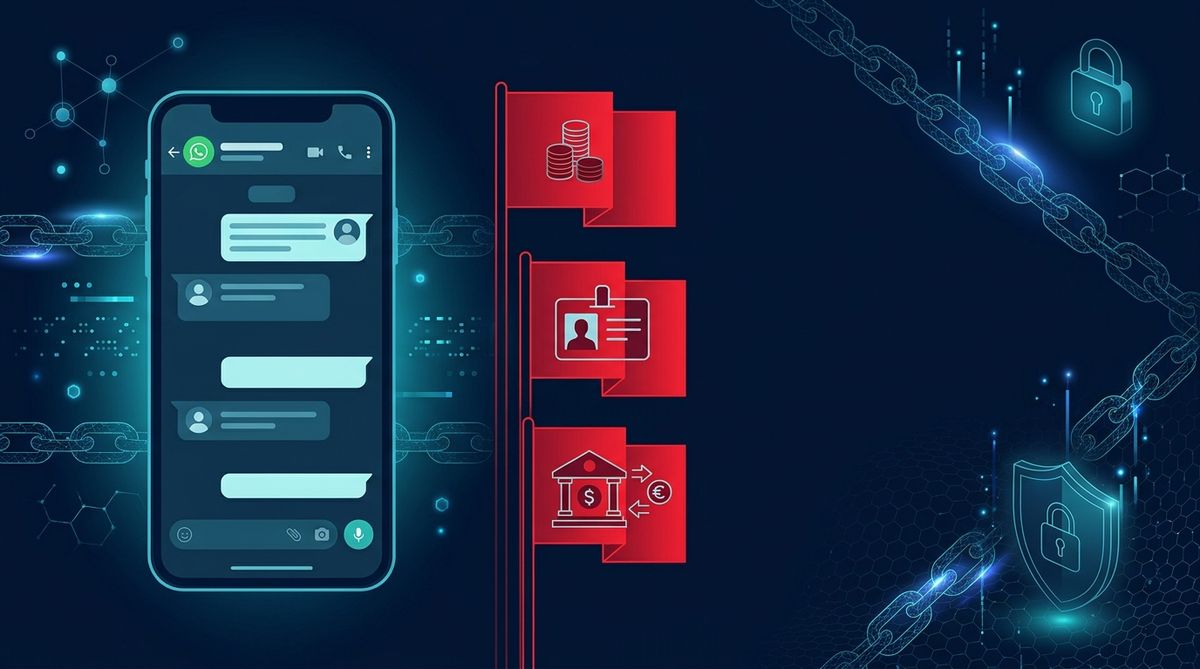 Illustrative image (AI-generated).
How the scam usually unfolds, step by step
1. A stranger sends a job offer
You receive a message on WhatsApp, Telegram, SMS, or even a phone call. The offer may claim:
- “Work from home, 30 minutes a day”
- “Rate hotels/products and earn ₹2000-₹5000 daily”
- “No experience needed”
- “Salary credited instantly”
The sender may say they found your number through a job portal, social media, or “HR database.” That claim is hard to verify and often false.
2. You are asked to complete simple tasks
The first task may be harmless-looking, such as rating a business listing or taking a screenshot after liking a page. Sometimes the task itself is real, but it is only being used to pull you deeper into the scheme.
3. You receive a small payment
A small initial payout can make the scheme feel legitimate. But a real payment does not prove the whole opportunity is genuine. Fraudsters often spend a little to gain a lot later.
4. “Premium tasks” require a deposit
Next comes the trap: you must deposit money to unlock higher earnings, fix a “negative balance,” complete a bundle, or withdraw your existing balance. This is a classic advance-payment pattern: you pay first, and excuses keep coming when you try to withdraw.
5. They ask for KYC or account details
You may then be asked for:
- Aadhaar or PAN images
- Selfies or video verification
- Bank account details
- UPI ID
- OTPs or app permissions
This can lead to identity misuse, fraudulent account openings, or account takeover attempts. Google’s safety guidance also warns against sharing one-time passwords, remote access, or sensitive verification details with unknown parties through messaging or calls on support.google.com.
6. You are asked to receive or forward money
Some victims are told they can “earn commissions” by accepting funds into their own bank account and then transferring them onward. That can make your account part of a laundering chain, sometimes called a mule account. Even if you did not plan to help criminals, using your account to move suspicious funds can create serious banking and legal problems.
Why these scams are effective
They are designed to lower your guard gradually.
Small rewards create trust
A token payment makes people think, “If they paid once, it must be real.”
The tasks feel harmless
Rating, liking, and reviewing are familiar online actions, so the offer does not look dangerous at first.
Pressure builds quickly
Scammers may say your task will expire, your balance is locked, or you must pay now to avoid losing earlier earnings.
Telegram and WhatsApp reduce accountability
It is easy for scammers to delete chats, change usernames, and move victims between groups and numbers.
For platform-specific reporting and safety steps, WhatsApp provides official guidance at faq.whatsapp.com.
Warning signs you should not ignore
If you notice even one of these, pause before doing anything further:
- The job comes from an unknown number or Telegram handle
- The pay seems unusually high for trivial tasks
- The recruiter avoids a verifiable company email or official website
- You are asked to pay to unlock work or withdraw earnings
- You are told to keep the process secret
- You are asked to use your bank account to receive and pass on money
- They ask for Aadhaar, PAN, selfie video, OTP, or screen-sharing
- The website or app looks unfinished, recently created, or inconsistent
- The company name does not match the payment account name
- You are rushed with “limited slots” or “complete now” messages
Illustrative example: “Congratulations! You’ve been selected for a part-time rating job. Complete 3 hotel reviews and earn ₹1,500 today. To activate premium tasks and withdraw your balance, deposit ₹2,000 now.”
Checks to do before you engage
Verify the company independently
Do not trust the contact details sent in the message itself. Search for the company’s official website and official careers page yourself. Check whether the role exists there.
Check the sender’s identity
A legitimate employer normally uses a company email domain for hiring, not only Telegram or a personal WhatsApp number.
Inspect the link before opening it
Use the LinkExpln scanner to check unfamiliar links. If a site asks you to install an APK, grant accessibility permissions, or enter banking details for a “job dashboard,” that is a serious warning sign.
Look for payment logic that makes no sense
Real employers pay workers. They do not usually ask workers to deposit money first to release salary or tasks.
Never use your account to route money
If someone asks you to receive money and transfer it onward, walk away. That is a major red flag.
Protect your ID documents
Do not send Aadhaar, PAN, selfies, or bank proofs unless you have independently confirmed the employer and understand exactly why the documents are needed.
If you want to understand safe verification habits, see security practices and how LinkExpln works.
What to do if you already shared money, ID, or bank details
If you sent money
Report the incident immediately on cybercrime.gov.in or call the national cybercrime helpline 1930, which is the official route promoted for reporting cyber financial fraud in India.
If you shared banking credentials or suspect account misuse
Contact your bank at once, explain that you may have been targeted in an online job scam, and ask what protective steps are available, such as monitoring or restricting suspicious activity.
If you shared Aadhaar, PAN, or selfies
Watch for signs of identity misuse, including unknown financial accounts, suspicious calls, or unexpected verification requests.
If you were added to scam groups or contacted repeatedly
Block the numbers/accounts and report them in the app. On WhatsApp, use the in-app report tools described in faq.whatsapp.com.
Preserve evidence
Keep screenshots of chats, payment requests, UPI IDs, account numbers, websites, and transaction references. This can help when reporting.
You can also report a suspicious link if the scam involved a suspicious website.
FAQ
Is every online rating or review job a scam?
No. But unsolicited offers through messaging apps that promise easy money and then ask for deposits or sensitive documents are high risk and should be verified carefully.
Can a small first payment mean the job is genuine?
No. Some scams use small early payouts to build trust before asking for larger deposits.
Why is using my bank account for someone else’s transfers dangerous?
It can expose you to fraud losses, account restrictions, and investigation if your account is used to move suspicious funds.
Bottom line
Fake task-based earning offers are dangerous not just because they can take your money, but because they can also pull your bank account and identity into further fraud. Before you engage, verify the employer independently, question any request for upfront payment, and never route money for strangers. If a link or dashboard is involved, scan it first with the LinkExpln scanner.
Stay Protected
Not sure about a link you received? Check it with the LinkExpln scanner or learn how LinkExpln works.
More articles