
Scam Awareness
Parcel Delivery Scam Links in India: How Fake Courier SMS and WhatsApp Tracking Pages Steal OTPs, Card Details, or UPI Payments
LinkExpln Team · Published October 5, 2026
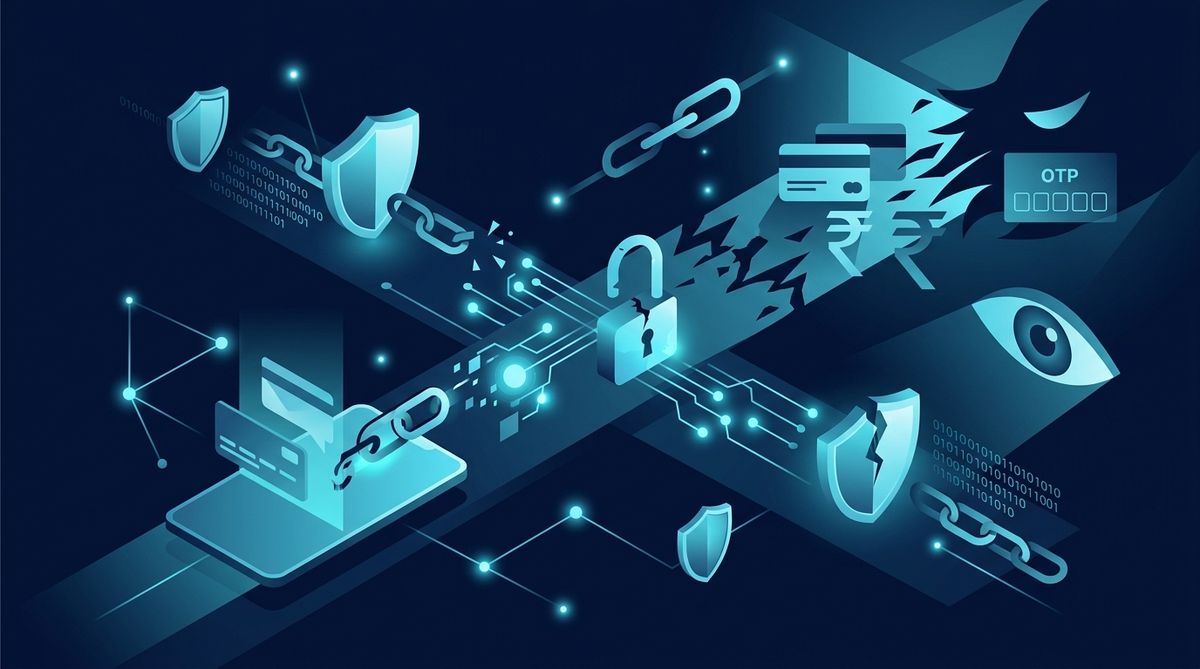
Parcel delivery scam messages are a common phishing tactic in India, especially during festive sales, holiday shopping periods, and other times when many people are expecting real shipments. These scams usually arrive by SMS or WhatsApp and claim there is a problem with a parcel: a failed delivery attempt, an unpaid shipping charge, an address mismatch, or a customs fee.
The message often includes a link that looks like a courier tracking page. Once clicked, the page may ask you to pay a small amount, sign in, verify your mobile number, or enter an OTP. In reality, the site may be trying to steal payment details, take over an account, or trick you into authorising a UPI transaction.
Understanding how these scams work can help you slow down, verify the claim, and avoid turning a routine delivery notification into a financial loss.
How fake parcel-delivery links usually work
Most parcel scams follow a similar pattern:
- You receive an unexpected message about a package.
- The message creates urgency, such as "delivery failed," "update address now," or "pay ₹25 to release parcel."
- A link directs you to a page designed to look like a courier, India Post, e-commerce, or logistics website.
- The page asks for personal or payment information.
- The scammer uses that information immediately or later for fraud.
These campaigns do not always pretend to be the same brand. Scammers may imitate well-known courier companies, postal services, marketplaces, or local delivery partners. Sometimes the site uses copied logos and tracking designs; other times it is a very basic page that only needs to work long enough to collect a few details.
What scammers want from the fake tracking page
The exact goal can vary. Common examples include:
Card details
A fake "small delivery fee" page may ask for your card number, expiry date, CVV, and cardholder name. After that, the page may also request an OTP, claiming it is needed to confirm the payment. In practice, that OTP may be used to authorise a larger transaction.
UPI payments or collect requests
Some scam pages try to get you to pay via UPI by scanning a QR code, clicking a payment button, or entering your UPI ID. In some cases, victims are told they are "receiving a refund" or "releasing the parcel," but are actually being tricked into approving a collect request or payment mandate.
OTPs
A message or page may ask for a one-time password under the pretext of "delivery verification" or "mobile confirmation." OTPs are sensitive because they can be used to approve logins, card transactions, or account changes.
Personal information
Scammers may collect your full name, address, phone number, email, and date of birth. Even if they do not steal money immediately, that data can support future phishing attempts or identity-related fraud.
Why these messages are effective
Parcel scams work because they fit normal daily behaviour. Many people are actually waiting for groceries, electronics, clothing, or documents, so a delivery problem does not feel unusual. The scam also tends to involve a small amount of money, which lowers suspicion: people may think, "It is only ₹10 or ₹25, I will just clear it quickly."
Another reason is that SMS and WhatsApp are trusted, fast channels. On a phone screen, it is easy to click without closely checking the sender, domain name, or payment request.
Red flags to look for before clicking
A parcel-related message is not automatically malicious, but the following signs should make you pause:
You were not expecting a parcel
This is one of the strongest warning signs. If you have not ordered anything and no one has told you they sent a package, treat the message with caution.
The sender is vague or unusual
Messages may come from a random mobile number, an international number, or a sender name that does not clearly match a real courier.
The link is shortened or misspelled
Watch for domains with extra words, hyphens, odd spellings, or unrelated endings. A scam link may include a courier name somewhere in the URL path while the actual domain belongs to something else entirely. If you want to check a suspicious URL more safely, use the LinkExpln scanner.
The message pushes urgent action
Scammers often say the parcel will be returned today, cancelled within hours, or held until you pay immediately.
It asks for payment to "unlock" delivery
Some real delivery situations may involve customs or cash-on-delivery processes, but unsolicited links asking for tiny online payments should be verified independently before you act.
It asks for OTP, PIN, CVV, or UPI approval
A delivery page should not need your banking secrets. Treat any such request as highly suspicious.
Checks to do before you click
A few simple checks can catch many parcel scams:
1. Check your actual orders
Open the shopping app or website you used and look at your order history. If there is no shipment in progress, the message may be fake.
2. Visit the courier site yourself
Do not use the link from the message. Instead, type the official website address yourself or use the brand's official app. Enter the tracking number there if one is provided.
3. Verify with the sender or merchant
If the package might be from a friend, family member, or business, contact them using a known number or official support channel.
4. Inspect the domain carefully
Look at the full website address, not just the page design. A convincing logo means very little if the domain is unrelated to the real courier.
5. Be careful with UPI prompts
Read every prompt in your UPI app. Paying and receiving are not the same thing. If a page or caller tells you to enter your UPI PIN to receive money, that is a major warning sign.
6. Never share OTPs for delivery verification
If a site or person asks for an OTP linked to your bank, card, or account, stop immediately.
What to do if you already clicked
If you opened the link but did not enter anything, close the page and avoid further interaction. If you entered details or approved a payment, act quickly:
- Contact your bank or card issuer and report the transaction.
- If relevant, block or freeze the card.
- Check for unauthorised UPI mandates or collect requests.
- Change passwords if you entered login credentials.
- Monitor account activity closely for follow-on fraud.
- Report the message in WhatsApp or through your SMS app if possible.
- Preserve screenshots, the sender number, and the link for reporting.
You can also report a suspicious link so it can be reviewed and potentially help protect others.
Practical habits that reduce risk
No single tip stops every scam, but these habits help:
- Avoid clicking courier links directly from unexpected messages.
- Keep banking and shopping app notifications enabled so you can cross-check activity.
- Use official apps and bookmarked sites for order tracking.
- Discuss common delivery scams with family members who may be less familiar with phishing tactics.
- Review basic security practices for handling links, payments, and account verification.
The key takeaway
Parcel-delivery scams in India succeed by blending into ordinary online shopping behaviour. The fake tracking page may look routine, but the real objective is often to collect card details, OTPs, personal data, or UPI payments.
The safest response is to verify first, outside the message itself. If a delivery issue is real, you should be able to confirm it through the merchant, the courier's official site, or your own order history. That extra minute of checking can prevent a much bigger problem.
FAQ
Can a real courier ever ask for extra payment?
Sometimes real shipments can involve charges, such as customs-related fees or cash-on-delivery arrangements, but you should verify them through the official courier or merchant channel rather than a link in an unexpected message.
Is entering a UPI PIN safe on a delivery page?
No. Your UPI PIN should only be entered inside your trusted UPI app when you fully understand the action you are authorising. It should never be shared with a website or a person over chat or phone.
If the amount is very small, is it probably legitimate?
Not necessarily. Scammers often use small amounts because they seem harmless and lower your guard. The small payment may be the first step toward larger fraud or data theft.
Stay Protected
Not sure about a link you received? Check it with the LinkExpln scanner or learn how LinkExpln works.
More articles